
Yoga Pose Mythology: Twist in the Belly of the Fish
The fantastical story of Ardha Matsyendrāsana, Half Lord of the Fishes Pose, reminds us of how perspective can shift when we are willing to turn toward what is challenging, unfamiliar, or even uncomfortable.
In Sanskrit, ardha अर्ध means half, matsya मत्स्य means fish, and āsana आसन means pose, posture, or seat. Matsyendra translates as Lord of the Fishes and he is considered one of the first great teachers of Haṭha Yoga, instructed by Lord Śiva (pronounced Shiva) himself. The posture that bears his name, Ardha Matsyendrāsana अर्ध मत्स्येन्द्रासन, or Half Lord of the Fishes Pose, carries both spinal flexibility and mythic depth.

Some time ago, a poor peasant couple learned they were expecting a son. When he was born, they gathered what little money they had and sought out the best astrologer they could afford, hoping for insight into their beloved child's future. The astrologer they found was considered skilled enough within the village, but not renowned beyond it. After studying the stars and casting the child's chart, he delivered a troubling prophecy: this boy would live a life marked by denial, deprivation, and destruction—for himself and for those around him.
Hearing these words, the couple was overcome with sorrow and fear. How could they bear the weight of such a future? How could they protect their son from a fate written in the heavens when life was already so fragile for them?
The penurious couple sat together, talking, thinking, and shedding many tears. Fearful and unsure, they made a harrowing decision. They went to the banks of the Gaṅgā River, offered a prayer to Lord Śiva, god of destruction, transformation, and regeneration, and gently submerged their child into the sacred waters.
Fate, however, had a far greater plan.
No sooner had the boy touched the river than he was swallowed by a giant fish. Deep within its belly, he found himself surrounded by darkness. Yet from within that darkness, he began to hear the voices of Lord Śiva and Goddess Pārvatī. Śiva was teaching Pārvatī the secrets of yoga, Āyurveda, and the ancient wisdom traditions.
The boy lived within the belly of the miraculous fish for twelve years, learning the wisdom of the world directly from Śiva himself—the very god to whom his parents had prayed all those years before. Perhaps the great fish had come in answer to their desperate prayers.
Over the years, the boy grew wise in the teachings and practices of yoga. When his understanding had fully matured, the great fish carried him back to the banks of the Gaṅgā, where he emerged reborn as Matsyendra, Lord of the Fishes.

Matsyendra traveled far and wide, teaching all who wished to learn the secrets of yoga. Eventually, he returned to the village where he had been born, feeling compelled to share a teaching on the power human beings have to influence their own karma—the cycle of life, death, and rebirth—through the mindful use of free will.
He spoke especially about the dangers of placing too much faith in astrologers or predictions of destiny without understanding the ways a person can shape, reshape, and respond to the course of their own life. Among those gathered were our impoverished peasant couple, sitting together and quietly weeping in each other's arms.
As they listened, they were overcome with guilt and fell to their knees before the teacher. Through tears, they recounted the events of years past: the astrologer's dark prediction that their child would bring denial, deprivation, and destruction to all he touched, and the desperate choice they had made to prevent that future—for themselves, for their son, and for the world.
In that moment, Matsyendra recognized them.
They were the poor peasant couple who had placed him into the waters of the Gaṅgā all those years ago.
They were his parents.
With the same gentle compassion that marked all of his teachings, Matsyendra reassured them that what they had done, painful though it had been, had helped fulfill not only his destiny but theirs as well. The astrologer who had advised them years before simply lacked the wisdom to perceive that their son was destined to become a great yogi and teacher.
Matsyendra then shared the story of his years within the belly of the divine fish, where he listened to the voice of Lord Śiva and had been instructed in the deepest teachings of yoga. He explained that the denial (tapas and Self-discipline), deprivation (fasting and simplicity), and destruction (the clearing away of mistaken perceptions and limiting beliefs) the astrologer had feared were not curses at all. Rather, they were disciplines willingly embraced by sincere students of yoga in the pursuit of Self-mastery.
Overcome with joy, Matsyendra's parents recognized that their son had indeed become the great teacher he was destined to be. In that moment, they accepted him as their guru—their revered teacher, mentor, and spiritual guide—and were themselves blessed by one of yoga's earliest masters.
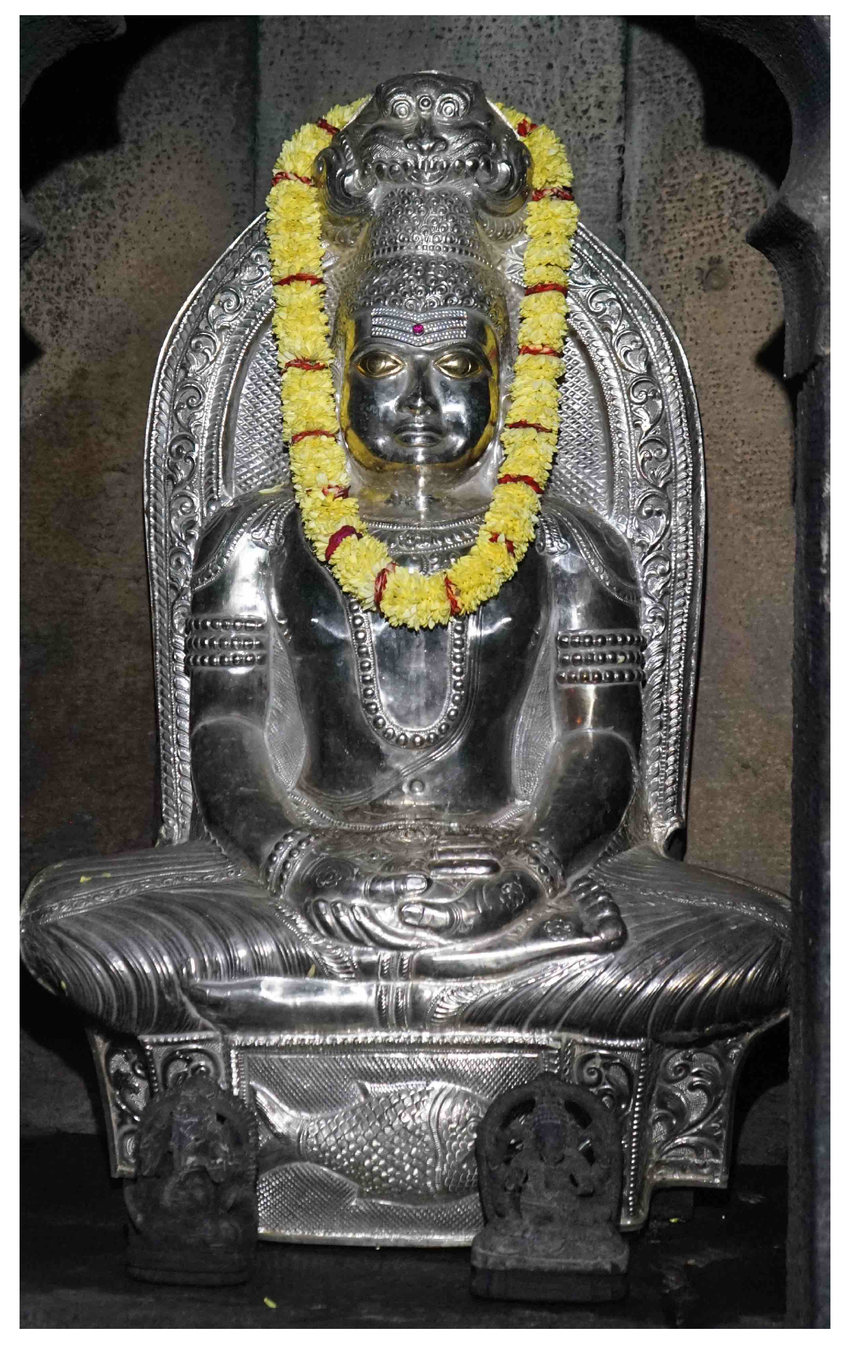
This fantastical story echoes the spiral of Matsyendrāsana, Half Lord of the Fishes Pose. In its fullest expression, the body turns nearly 180 degrees from center, offering an entirely new perspective of the body, the breath, and the space around us.
As we revolve through the spine, we experience firsthand how perspective can shift when we are willing to turn toward what is challenging, unfamiliar, or even uncomfortable.
Matsyendra's story reminds us that denial, deprivation, and destruction, when embraced with mindfulness and wisdom, can become powerful catalysts for transformation. Through consistent practice, focused attention, and clear perception, we discover that our greatest obstacles may become our greatest teachers, revealing the divine potential that has always resided within.

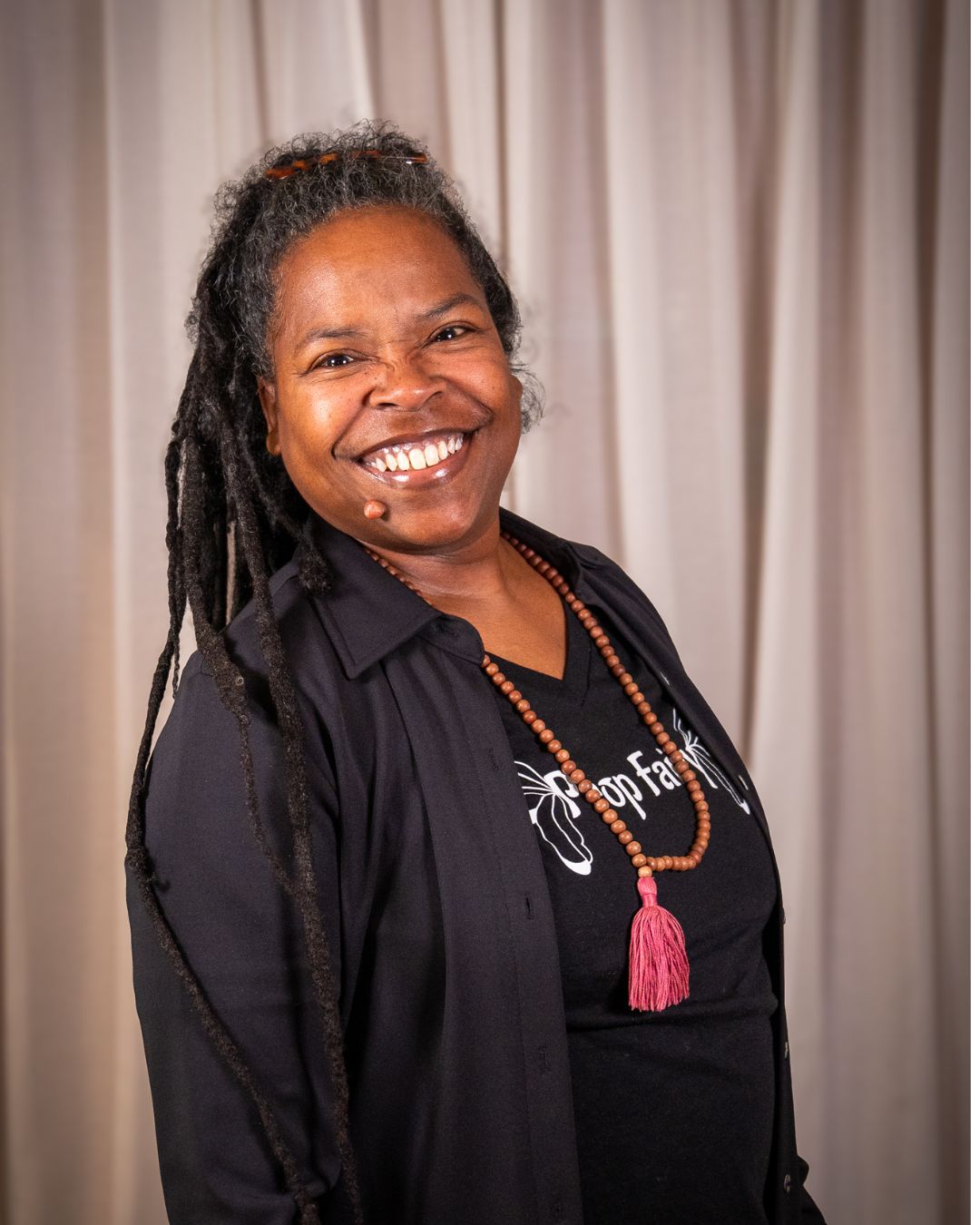
Tuesday Irby is a regular contributor to our Free Resources Blog. She writes about the stories of the poses and other beautiful reflections. You can also subscribe to Tuesday's Mindful Moments on Substack.
Join Tuesday class on Tuesdays (of course!) at 7 PM ET. She also teaches Restorative Yoga on the fourth Thursday of each month at 7 PM ET as well as a free class on the first Sunday of each month at 11:30 AM ET.


Comments